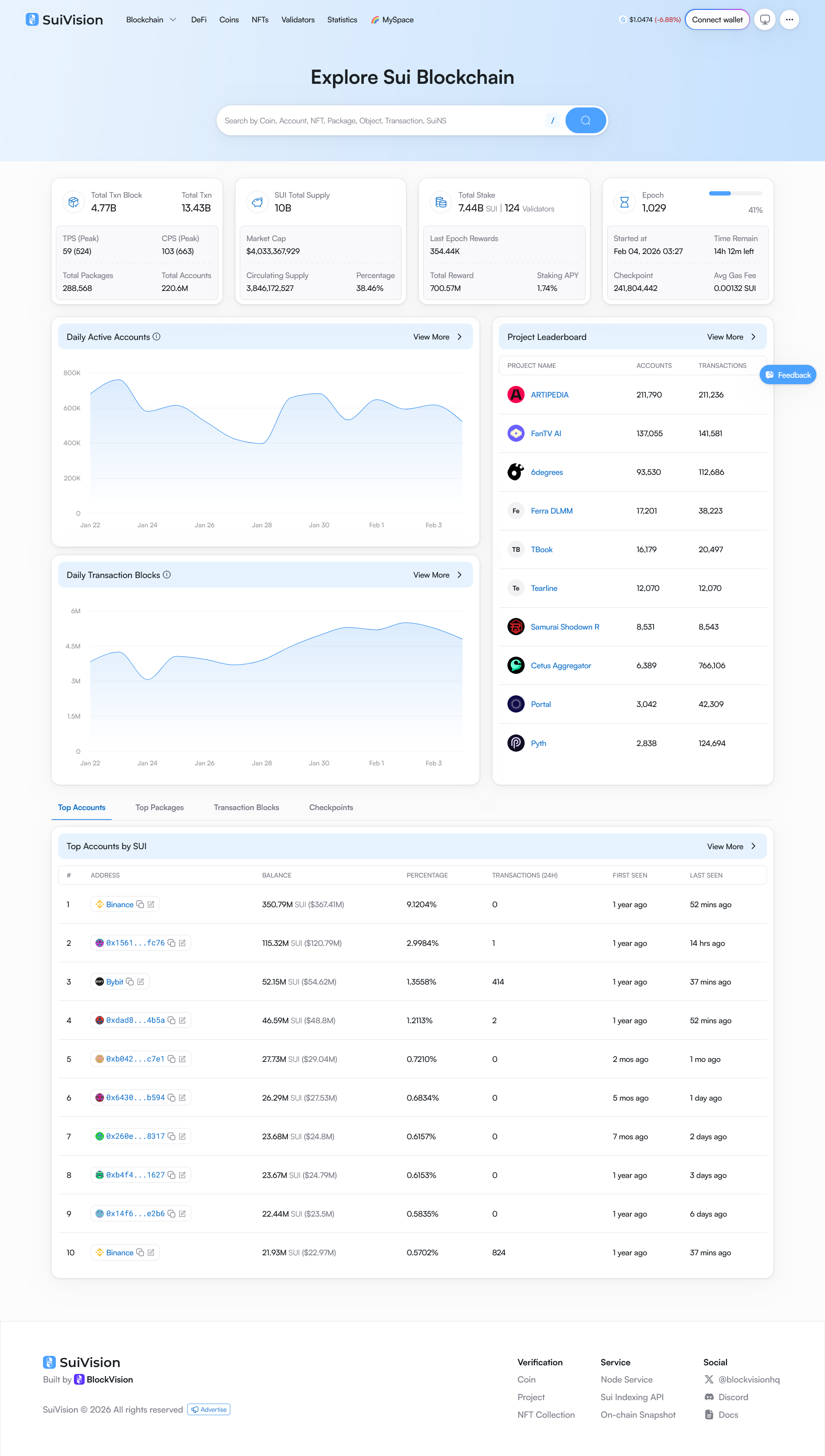
In the ever-evolving field of artificial intelligence (AI) and computer vision, new technologies and methodologies are constantly being developed to push the boundaries of what machines can perceive. One such advancement that has gained significant attention in recent years is Suivision. This term, though relatively new, is poised to revolutionize industries ranging from healthcare and security to entertainment and autonomous driving.
What is Suivision ?
Suivision is a portmanteau of "Surveillance" and "Vision," representing the convergence of advanced computer vision techniques with surveillance technologies. The primary goal of Suivision is to enhance visual systems in real-time by leveraging AI and machine learning algorithms to process, analyze, and respond to visual data in more intelligent, effective, and accurate ways than ever before.
At its core, Suivision focuses on integrating sophisticated AI-powered vision systems with surveillance and monitoring technologies to offer enhanced features such as:
. Real-time object detection and recognition
. Behavioral analysis and anomaly detection
. Predictive analytics for proactive decision-making
. Context-aware vision for dynamic environments
Key Technologies Behind Suivision
1. Deep Learning and Neural Networks: Central to Suivision capabilities is the application of deep learning techniques, particularly convolutional neural networks (CNNs), which are trained to recognize objects, faces, and scenes with unprecedented accuracy. These networks allow the system to learn from vast datasets, improving its ability to identify and respond to visual stimuli in real-time.
2. Computer Vision Algorithms: Computer vision is a branch of AI that deals with interpreting and understanding images and videos. Suivision systems make use of various algorithms such as image segmentation, feature extraction, optical flow analysis, and object tracking. These techniques enable the system to interpret complex visual data and identify patterns that might be missed by the human eye.
3. Edge Computing: To handle the enormous volume of visual data generated by surveillance systems, Suivision often incorporates edge computing, where data processing occurs closer to the source (i.e., on the camera or nearby devices). This reduces latency and bandwidth usage, ensuring that the system can operate in real-time without relying heavily on centralized servers.
4. AI-Driven Analytics: Suivision goes beyond simple image recognition. It uses AI-powered analytics to interpret the data, identify trends, and even predict future events based on visual input. For example, Suivision systems can predict crowd behavior, recognize potential security threats, or detect health-related anomalies in medical imaging.
Applications of Suivision
1. Security and Surveillance :-
One of the most prominent applications of Suivision is in the field of security and surveillance. Traditional surveillance systems often require human operators to monitor video feeds, making it difficult to detect suspicious activity in real-time. Suivision eliminates this need by using AI to automatically analyze video feeds for unusual behaviors, such as loitering, aggressive actions, or unauthorized access.
Additionally, facial recognition and license plate recognition are used to identify individuals and vehicles, improving security in both public and private spaces. This technology is especially useful in airports, stadiums, and urban surveillance systems where the volume of footage is too vast for manual monitoring.
2. Healthcare :-
Suivision has the potential to revolutionize healthcare, particularly in medical imaging and patient monitoring. AI-enhanced visual systems can analyze X-rays, MRIs, and CT scans with greater precision, helping doctors identify conditions such as tumors, fractures, and infections faster than with traditional methods.
In patient monitoring, Suivision can track patients’ movements and vital signs in real-time, providing early warning signs of medical emergencies. For instance, systems can detect when an elderly patient falls or exhibits unusual behavior, enabling caregivers to respond immediately.
3. Autonomous Vehicles :-
In the realm of autonomous vehicles, Suivision plays a crucial role in helping self-driving cars perceive and understand their environment. By combining vision sensors like cameras and LiDAR with deep learning algorithms, autonomous vehicles can detect pedestrians, traffic signs, other vehicles, and obstacles, ensuring safe navigation.
Suivision systems enable real-time analysis of road conditions, traffic patterns, and environmental changes, making autonomous driving more reliable and responsive.
4. Retail and Consumer Experience :-
Suivision is also making waves in retail, where businesses are using AI-powered cameras to analyze customer behavior, optimize store layouts, and enhance the shopping experience. For example, Suivision systems can track which areas of a store attract the most foot traffic, allowing businesses to place high-demand products in these locations.
Moreover, facial recognition technology is being used for personalized marketing, where advertisements are tailored based on the customer's demographic profile and mood, based on real-time visual analysis.
Challenges and Ethical Considerations
Despite its immense potential, Suivision raises important ethical and privacy concerns. The pervasive nature of surveillance systems, powered by AI, has the potential to infringe on individual privacy. The widespread use of facial recognition and other biometric data collection methods has sparked debates about surveillance overreach and consent.
Furthermore, there is the risk of bias in AI algorithms. If a Suivision system is trained on biased data, it may produce skewed or inaccurate results, leading to false identifications or unfair treatment of certain individuals or groups.
To mitigate these risks, regulations and transparency are essential. Governments and organizations need to establish clear guidelines for the ethical use of Suivision technologies, ensuring that privacy is respected and AI algorithms are trained fairly.
The Future of Suivision
As Suivision technologies continue to evolve, we can expect even greater advancements in AI, computer vision, and surveillance. Future Suivision systems may include more advanced predictive analytics, enabling them to foresee events before they happen. With the integration of augmented reality (AR) and virtual reality (VR), Suivision could also pave the way for immersive experiences in industries like gaming, entertainment, and education.
The growing sophistication of edge computing will allow Suivision systems to become more autonomous and efficient, reducing the need for cloud-based processing and making real-time responses even faster.
Ultimately, as Suivision becomes increasingly integrated into daily life, it will likely transform how we perceive, interact with, and respond to our environments, offering new opportunities and challenges in equal measure.
Conclusion
Suivision represents a significant leap forward in the integration of artificial intelligence with visual technologies. Its applications are vast, ranging from security and healthcare to retail and autonomous driving. However, the ethical implications of its widespread adoption cannot be overlooked. As with any transformative technology, the responsible use of Suivision will be key to its success, ensuring it enhances our lives while preserving our rights and freedoms.

Best AI Website Maker